Food Production
In food and beverage production, air is a raw material that may come into direct contact with the product – whether as supply air in filling halls, as process air in drying and spray processes, or as pressure equalization air in storage tanks and IBC containers. Particles, microorganisms and mold spores in the supply air can compromise product safety, while insufficient exhaust air filtration can release odors, dust or grease aerosols into the environment. Anyone producing, processing or packaging food must therefore systematically control air quality within their facilities.
HS-Luftfilterbau has been supplying filtration solutions for the food and beverage industry for over 50 years – ranging from coarse dust prefilters and energy-efficient fine dust filters to HEPA filters and activated carbon stages for odor control, as well as specialized filter components for direct product-contact applications. Synthetic filter media are available for all filtration stages – including HEPA and ULPA – which are glass-fiber free, resistant to moisture and wet conditions, and suitable in terms of materials for use in food production environments.
Why air filtration is critical in the food industry
Within HACCP concepts and certifications such as IFS Food or BRC, supply air quality is considered a critical control point. In open processes – for example beverage filling, bakery packaging, or meat and dairy processing – supply air enters the product area directly. Even in closed processes, pressure equalization at tanks and containers requires filtered ventilation to prevent microbial contamination.
In addition to product safety, operational hygiene plays a central role. The German guideline VDI 6022 defines hygiene requirements for HVAC systems, which also apply in the food industry. Filters must not only achieve the required filtration efficiency but must also not pose a hygiene risk themselves – for example through microbial growth on filter media under high humidity conditions.
Material selection: synthetic filter media and regulatory classification
In the food industry, the question often arises whether air filters fall under EU Regulation (EC) No. 1935/2004 on materials and articles intended to come into contact with food. According to the interpretation of the relevant authorities, air filters generally do not fall within the scope of this regulation because they are not intended to come into direct contact with food or transfer substances to food. Nevertheless, the deliberate selection of materials for use in food production environments is essential – as filters may affect product safety through fiber release, outgassing, or hygienically unsuitable surfaces.
HS-Luftfilterbau therefore focuses on transparency and technical suitability. For all filter products – including HEPA and ULPA filters – we offer optional fully synthetic filter media that are completely free of glass fibers. Synthetic media provide several advantages in food production: they do not release inhalable fibers, are fully resistant to moisture and wet environments (important in wash-down processes and condensing atmospheres), and allow complete documentation of their material composition. For certain product groups, we can also provide FDA conformity confirmations upon customer request.
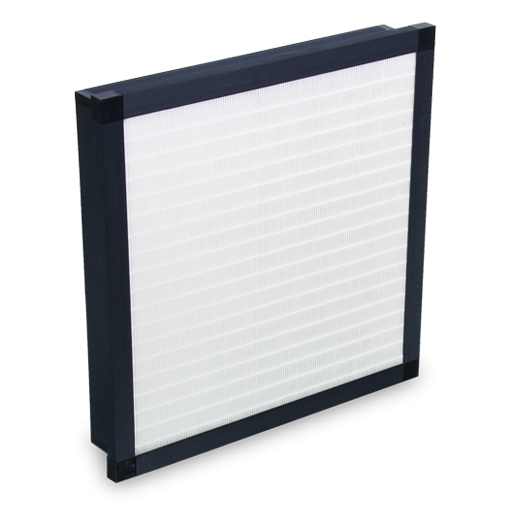
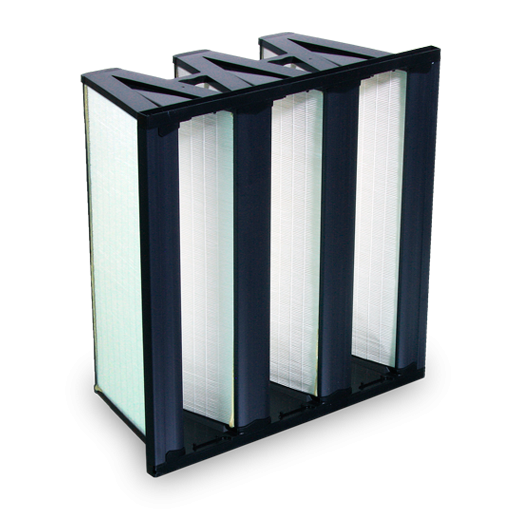
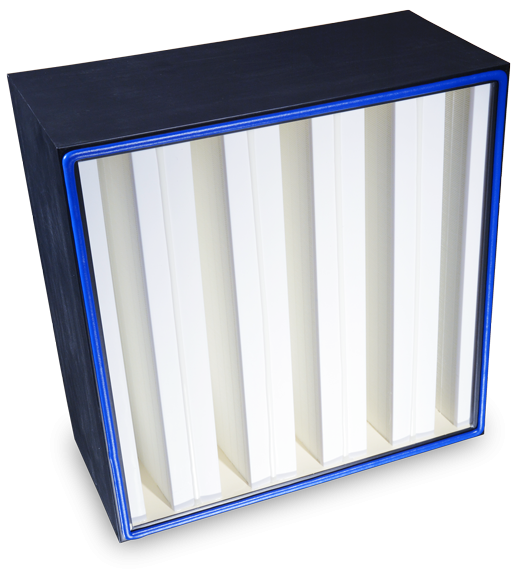
The HS-Mikro Pak 4V PPE is the only product in our portfolio explicitly certified for food production applications. Its fully synthetic nanofiber filter medium is glass-fiber free, moisture resistant and manufactured from carefully selected raw materials. It complies with the requirements of VDI 6022 and is free from potentially hazardous substances.
Standards and regulations
ISO 16890 and EN 1822
Supply air filtration in food production follows the same classifications used in building ventilation: ISO 16890 for fine dust filters (ePM10, ePM2.5, ePM1) and EN 1822 for high-efficiency particulate air filters (EPA/HEPA/ULPA). Depending on process requirements – open processing, filling, or packaging – supply air systems are typically designed with two or three filtration stages.
VDI 6022 – Hygiene in HVAC systems
The VDI 6022 guideline defines hygiene requirements for HVAC systems, including the filters used. It requires, among other things, regular filter replacement (no later than after 24 months), inspection-friendly installation conditions and the prevention of moisture entering filter stages. All HS-Luftfilterbau filters for the food industry comply with the requirements of VDI 6022.
HACCP, IFS Food and BRC
Within HACCP concepts and certifications such as IFS Food or the BRC Global Standard, supply air quality is evaluated as a hygienic control point. Auditors verify documentation of the installed filtration stages, their separation efficiency and replacement intervals. HS-Luftfilterbau supports this documentation with complete product data sheets and, upon request, FDA confirmations for the materials used.
Filtration solutions for the food and beverage industry
Supply air filtration: multi-stage systems for production areas
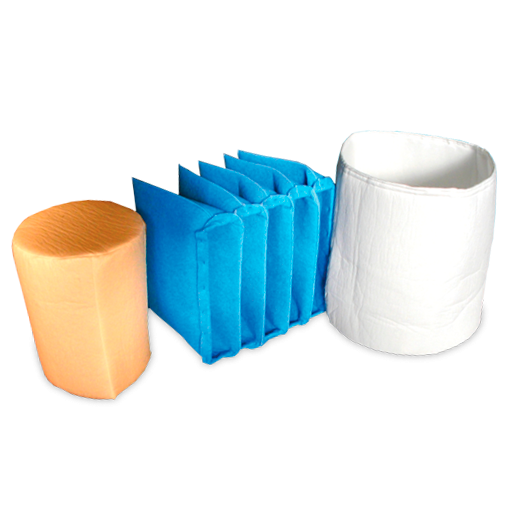
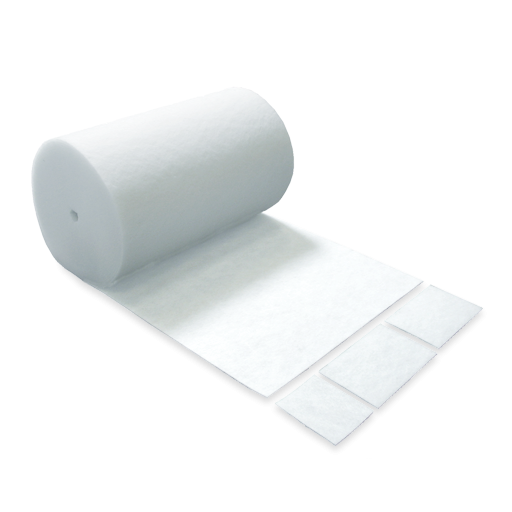
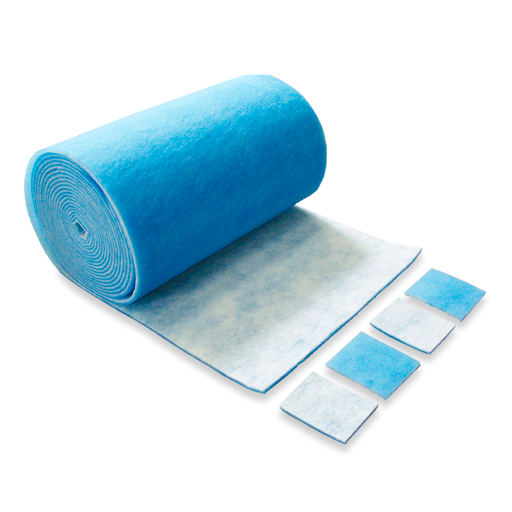
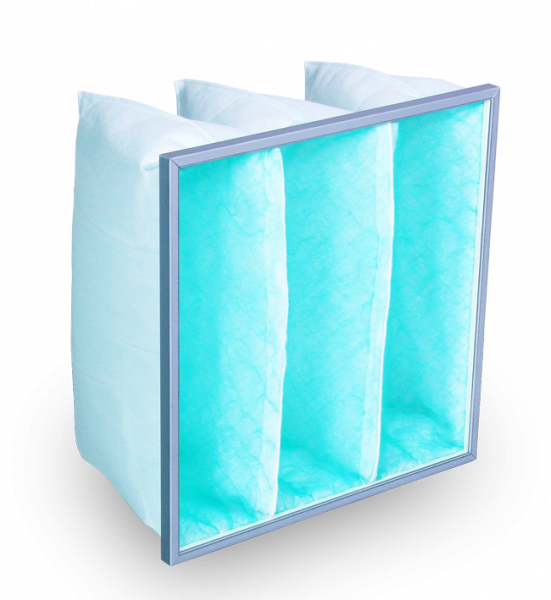
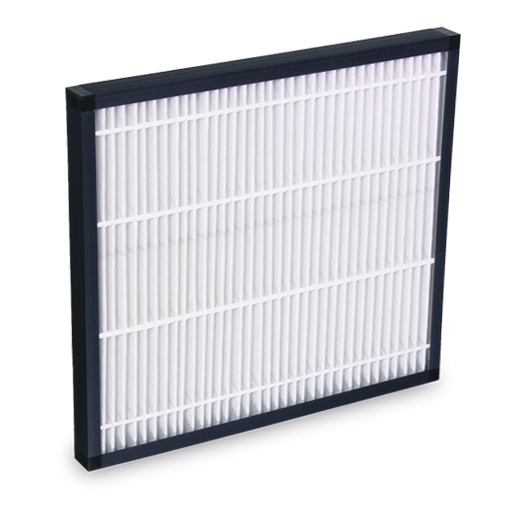
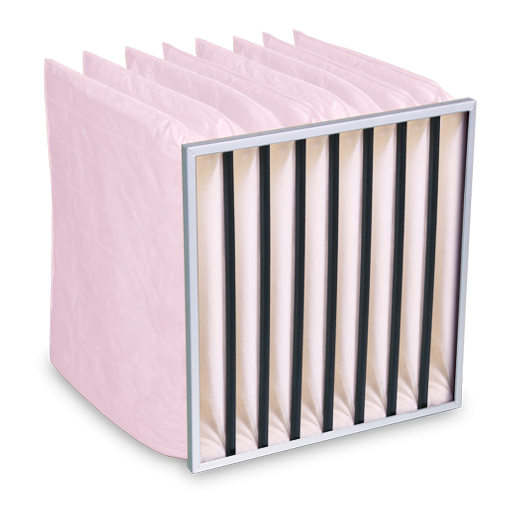
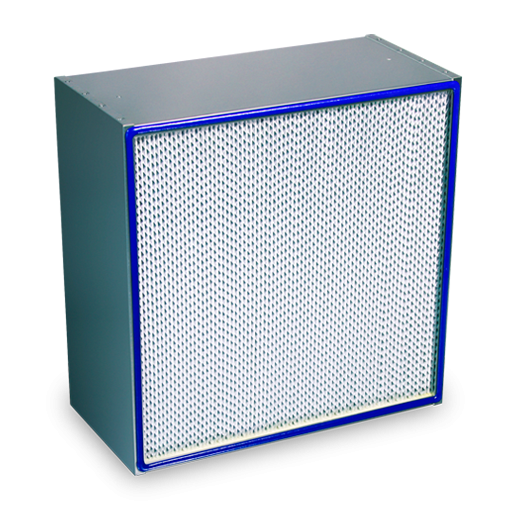
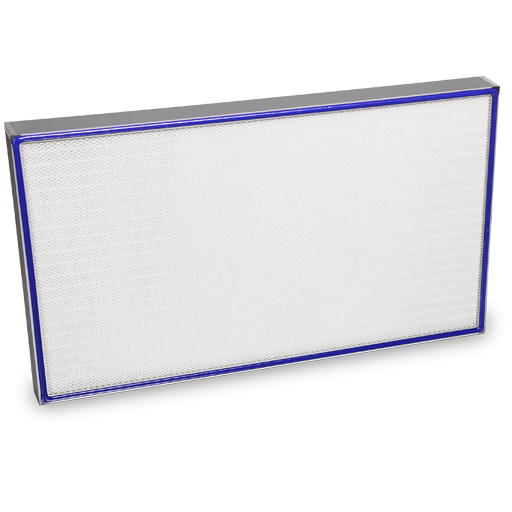
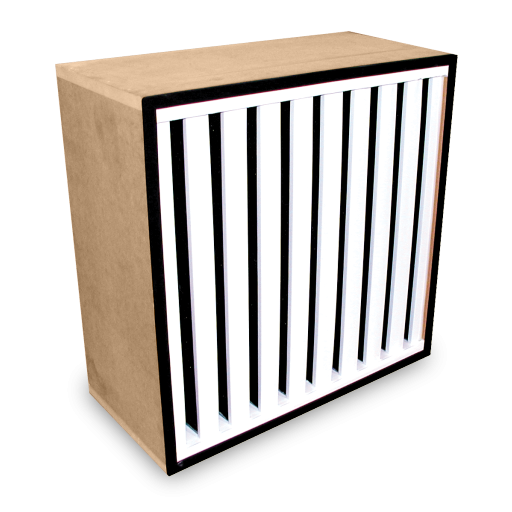
A typical supply air system in food production consists of two to three filtration stages: prefilters (filter cells or filter mats, ISO Coarse class), followed by pocket filters or compact filters in classes ePM2.5 or ePM1. Where higher hygiene requirements apply – for example in open filling and packaging areas, meat processing counters or dairy production lines – a third stage with EPA or HEPA filters is added. All stages are available with synthetic filter media.
The HS-Mikro Pak 4V PPE is particularly recommended as the main filtration stage. With an operating energy demand of only 650 kWh/year at ePM1 60%, it is more than 25% below the threshold for energy class A+ and provides a dust holding capacity of over 1.1 kg – twice that of typical compact filters. Its fully synthetic, moisture-resistant medium makes it an ideal choice for production environments with elevated humidity.
Direct product-contact filtration: HS-SteriCap for tanks and IBC containers
When product is removed from storage tanks or IBC containers, negative pressure occurs which must be balanced via a pressure equalization filter. The HS-SteriCap is a compact, pre-assembled filtration unit with an ePTFE filter medium (EN 1822 H14, optionally U15) mounted directly on the IBC lid. Housing and filter are made of stainless steel 1.4301 – moisture resistant, free of hazardous substances and optionally supplied with FDA conformity declaration. Typical applications include food and beverage production, pharmaceuticals and biotechnology as well as the storage of purified water.
Exhaust air and odor filtration
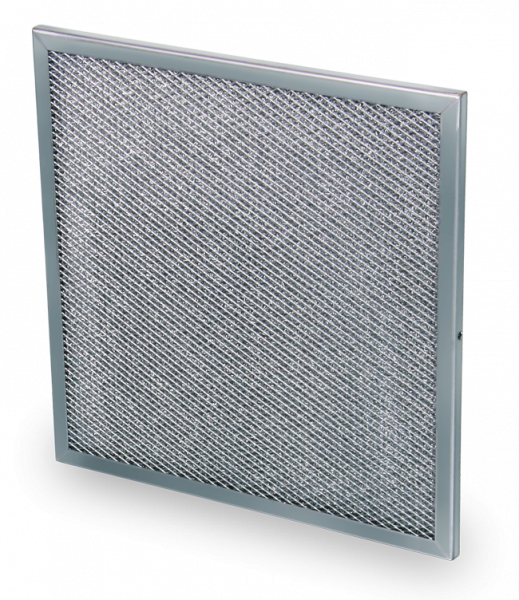
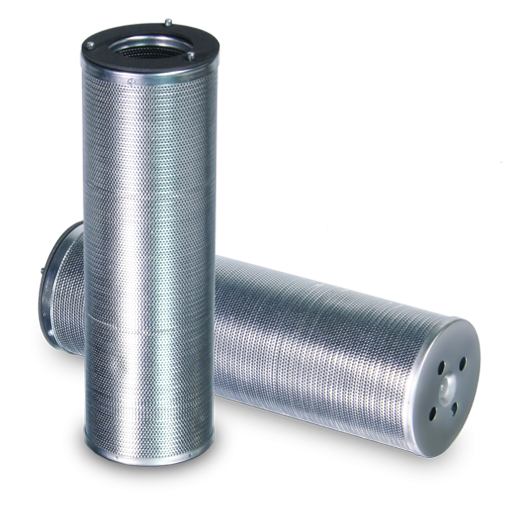
In gastronomy and the food processing industry, grease aerosols, cooking vapors and odors must be treated before being released into the environment. HS-Luftfilterbau offers grease and condensation filters made of aluminum metal mesh (separation efficiency 90–99% depending on the version) as well as downstream activated carbon filter stages (HS-AKP 26, HS-Carbo Pak, HS-Clean Pro) for odor removal. The cleaned exhaust air can optionally be recirculated into the supply air – significantly reducing heating costs during winter.
Typical applications
- Bakery and confectionery industry: Supply air filtration for packaging lines and storage rooms. Flour dust filtration in production areas. Odor treatment for roasting and baking processes.
- Meat and fish processing: HEPA-filtered supply air for cutting facilities, cold storage and packaging areas. Synthetic moisture-resistant media for condensing environments.
- Dairy and milk processing: Supply air filtration for filling halls and maturation rooms. Pressure equalization filtration at storage tanks.
- Beverage industry: Sterile air for filling lines and rinser systems. HS-SteriCap for IBC containers and storage tanks. Activated carbon filtration for odor control in brewing processes.
- Gastronomy and commercial kitchens: Grease filters for kitchen hoods, odor post-filtration with activated carbon, compact filter housings (HS-Vario CAT) as ready-to-operate units with integrated fan.
- Water utilities: Supply air filtration for treatment facilities. Activated carbon for water filtration (granular activated carbon in various grades depending on raw water quality).
Filter housings and system technology
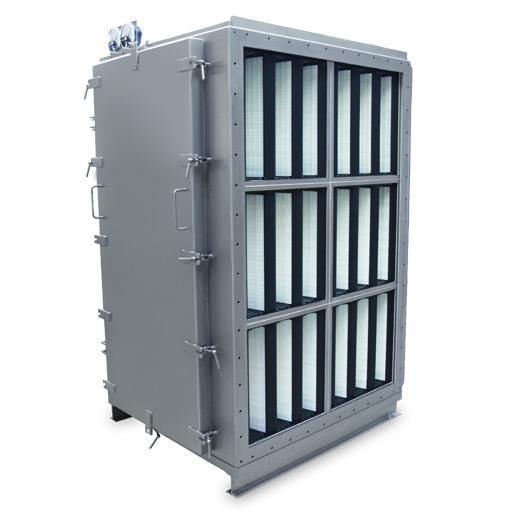
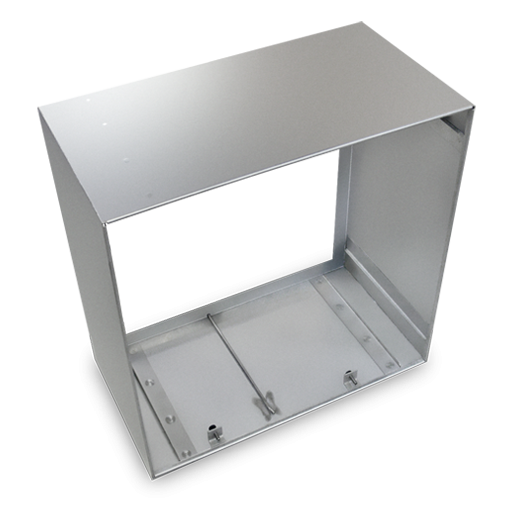
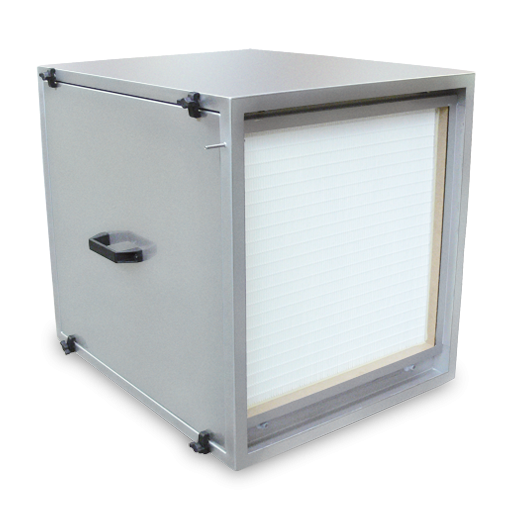
For integrating multi-stage supply or exhaust air filtration systems, HS-Luftfilterbau offers the modular HS-Vario CAT housing system, which can be configured from a single-stage odor post-filtration unit in gastronomy to a multi-stage supply air filtration system for production environments – optionally with an integrated fan as a ready-to-operate unit. For higher filter classes (EPA/HEPA) or corrosive environments, the HS-Solid CAT housing range made of welded stainless steel is available. For temporary or seasonal applications, HS-Luftfilterbau also supplies mobile filtration units ready to plug in with all accessories.
Your advantages with HS-Luftfilterbau
- Synthetic filter media for all stages: Glass-fiber free, moisture and wet-resistant filter media for pocket filters, compact filters and HEPA/ULPA filters – ideal for condensing production environments and areas where air comes into direct contact with the product.
- HS-Mikro Pak 4V PPE: Compact filter certified for food production with fully synthetic nanofiber medium, outstanding energy efficiency (25% below energy class A+) and double dust holding capacity.
- FDA confirmations on request: For certain product groups we provide FDA conformity confirmations – transparent, traceable and based on the actual materials used.
- Odor and grease filtration from a single source: Metal mesh filters, activated carbon stages and modular housings for gastronomy and the food processing industry.
- Over 50 years of experience, ISO-certified manufacturing: Quality and environmental management system according to ISO 9001 and ISO 14001. Complete product documentation for IFS, BRC and HACCP audits.
Do you require air filters for your food production facility, filling line or gastronomy operation? Our engineers will advise you on selecting the appropriate filtration stages, materials and housing solutions – tailored to your hygiene requirements and certification standards. Contact us for individual consultation and a project-specific quotation.